I will be honest with you: my first expedition in Elden Ring Nightreign lasted about eleven minutes. I picked a class that looked cool, ran toward the first glowing thing I saw, got cornered by a roaming boss I had no business fighting, and watched the entire party wipe in a spectacular blaze of purple fire. The game did not hold my hand. It barely waved.
Nightreign is a fundamentally different beast from the base game. It takes the deliberate, explore-at-your-own-pace rhythm of Elden Ring and replaces it with a ticking clock, randomized loot pools, and an unrelenting push toward the end of each day cycle. If you treat it like the original game, you will die. I died so you do not have to. Here is everything I learned about surviving your first expedition.
Pick the Right Starting Class
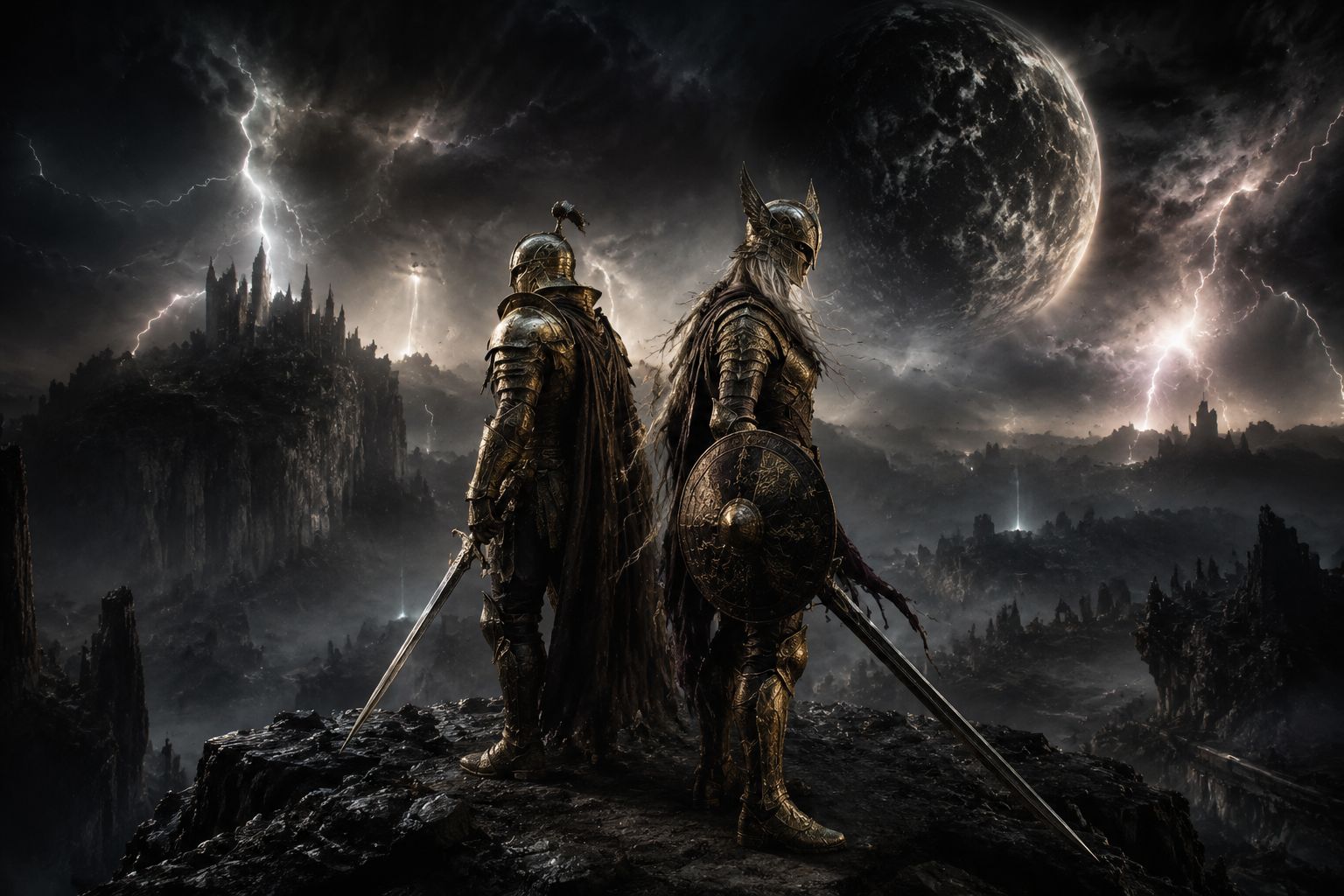
Nightreign gives you four starting classes, and the one you pick matters far more than it did in the base game. You cannot respec mid-run, and your starting stats determine whether you can equip the good gear you find in the first few minutes. After about twenty hours of testing, I have a clear winner for first-timers.
| Class | HP | Stamina | Strength | Mind | Verdict |
|---|---|---|---|---|---|
| Wylder | 1,450 | 110 | 16 | 12 | Best for beginners |
| Drixter | 1,050 | 95 | 10 | 18 | High skill ceiling |
| Recluse | 1,200 | 100 | 12 | 16 | Good for veterans |
| Duchess | 1,100 | 120 | 11 | 14 | Dexterity specialist |
The Wylder class starts with 1,450 HP, which is roughly 38% more than the Drixter and 32% more than the Duchess. That extra health buffer is the difference between surviving a boss combo and watching the "You Died" screen during your first night cycle. Wylder also starts with a straight sword and a medium shield, meaning you can block, parry, and poke your way through the early game without needing to learn complex weapon arts.
If you find a Greatsword or a Heavy weapon in the first loot pool, Wylder's 16 Strength lets you equip it immediately. Drixter players often find amazing Strength weapons they cannot use for two whole day cycles.
Drixter is tempting because of its high Mind stat and spell-slinging potential, but I strongly recommend saving it for your third or fourth run. Low HP plus the pressure of managing FP during a boss fight is not a recipe for first-expedition success.
Master the Expeditions Day Cycle
Every expedition in Nightreign follows the same skeleton: three day cycles, each lasting roughly 15 minutes, capped by a boss fight at night. Understanding this rhythm is the single most important skill you can develop.
Day 1 — Scavenge and Scout (0:00-15:00)
You drop into a random zone. Your only goal is to loot as many chests, corpse piles, and upgrade stations as you can. Do not engage roaming bosses yet. Focus on building your weapon to +3 and collecting at least two flask charges.
Night 1 — Field Boss (15:00-18:00)
A mini-boss spawns. It is easier than the Night Lords but still hits hard. Fight as a team, share aggro, and use your flask wisely. Winning here grants a relic and a map fragment for Day 2.
Day 2 — Push the Map (18:00-33:00)
The zone expands. You can now access the area behind the Night 1 boss arena. This is where you find Smithing Stones [4] and [5], stronger weapon arts, and armor upgrades. Do not skip side paths.
Night 2 — Second Field Boss (33:00-36:00)
Harder than the first. This boss usually introduces a mechanic you have not seen before, like ground fissures or curse buildup. Pay attention to the visual tells.
Day 3 — Final Prep (36:00-51:00)
The entire map is open. Rush to the Night Lord arena gate and use the Grace of Repletion to max your flasks and levels. Do not explore — the Night Lord fight will deplete everything you have.
Night 3 — The Night Lord (51:00+)
The expedition boss. Expect a two-phase fight with a 12-hit combo minimum. Team coordination wins here. One player draws aggro while the others punish openings.
The average expedition takes between 30 and 45 minutes if your team is efficient. If you are still looting when the night bell tolls, the boss will spawn on top of you mid-loot — and that is almost always a death sentence.
The night cycle transition is not gradual. You get a 30-second audio cue (a deep bell chime), then the boss spawns. If you are in a menu, you will be locked into it for the first 5 seconds of the fight. Always keep your map closed after the 12-minute mark.
Prioritize the Right Relics
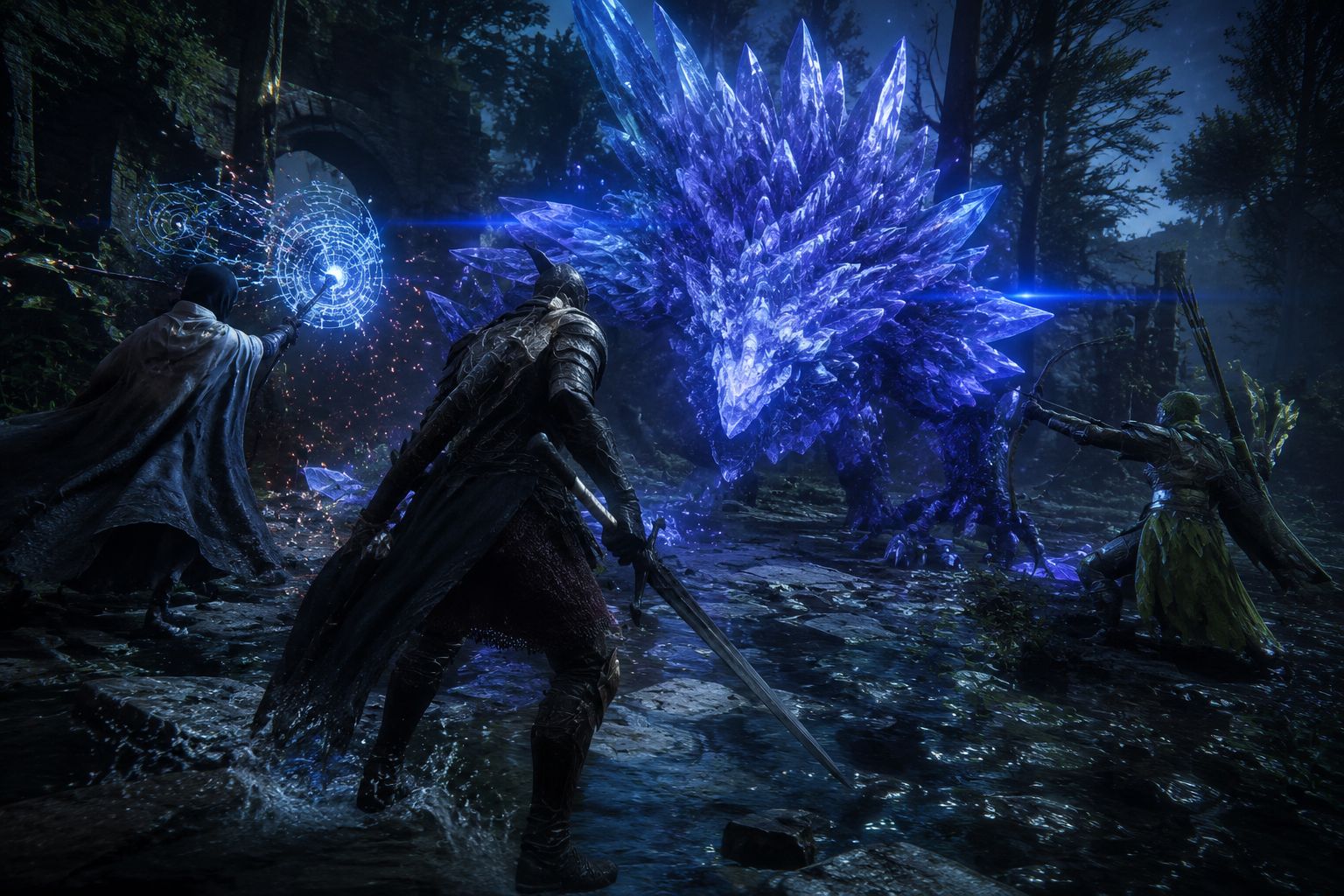
Relics are Nightreigns permanent progression system. You earn them by defeating bosses and completing expedition milestones, and they carry over between runs. After you die, you keep your relics. This is how you get stronger over time.
Here is the priority order for a first expedition:
Crimson Relics (HP)
Each Crimson Relic grants +40 flat HP. Stacking three of them takes a Wylder from 1,450 HP to 1,570 HP — enough to survive an extra hit from the Night Lord's phase-two combo. Flat HP is more valuable than percentage-based defense because it protects against true damage and status effects.
Viridian Relics (Stamina)
Nightreign combat is aggressive. Bosses chain 7 to 10 hit combos, and running out of stamina mid-dodge is fatal. Viridian Relics increase stamina recovery speed by roughly 12% per stack. Two stacks let you block a full combo and still have stamina to counter.
Crumbling Moon Relics (Elemental Defense)
The Night Lords deal heavy elemental damage — magic, fire, and lightning being the most common. Crumbling Moon Relics reduce elemental damage by 8% per stack. They are not flashy, but they save you from getting one-shot by the Night Lord's magic barrage.
Athletic Relics (Movement Speed)
Movement speed is underrated in the first expedition. Athletic Relics give you about 5% movement speed per stack, which helps you outrun the night cycle fog and reposition during boss fights. Consider one Athletic Relic as your fourth slot filler.
"I used to stack nothing but damage relics. Then the Night Lord hit me with a fire breath that dealt 1,380 damage through my medium shield. I swapped two damage relics for Crumbling Moon shards and suddenly I was surviving hits that used to one-shot me. Defense wins expeditions." — Veteran Nightreign player, Reddit
Once you have a solid defensive relic core (say, two Crimson, one Viridian, one Moon), you can start slotting in damage relics like Ancestral Shards or Frenzied Flame Fragments. But on your first expedition, defense keeps you alive longer than offense does.
Know the Loot Tiers and Upgrade Path
Loot in Nightreign drops in tiers, and knowing which tier you are in dictates how aggressive you should be with exploration. Here is the breakdown:
- Common (Grey): Basic weapons, consumable crafting materials, minor healing items. Found everywhere. Worth picking up for crafting but not exciting.
- Uncommon (Green): Smithing Stones [1] through [3], medium-weight armor, standard weapon arts. These are your bread and butter for Day 1 upgrades.
- Rare (Blue): Smithing Stones [4] and [5], heavy armor sets, unique weapon arts, relic fragments. Found in mini-boss arenas and locked chests.
- Epic (Purple): Smithing Stones [6] and [7], boss weapons, legendary armor, rare relic drops. These require beating Night 1 or Night 2 field bosses.
- Legendary (Gold): Night Lord weapons, unique relic fragments, expedition-completing gear. Only found in Night Lord arenas or high-risk locked vaults.
The optimal upgrade path for your weapon is: +3 by end of Day 1, +6 by end of Day 2, +9 by the Night Lord. If you are below +6 when Night 2 starts, you will struggle to do meaningful damage to the second field boss.
Weapon upgrade materials are shared across the party. If you find Smithing Stones [4] and your teammate needs them more (they are still at +2 while you are at +5), drop them. A party with two +5 weapons is weaker than a party with one +8 and one +7.
Co-op Mechanics You Must Know
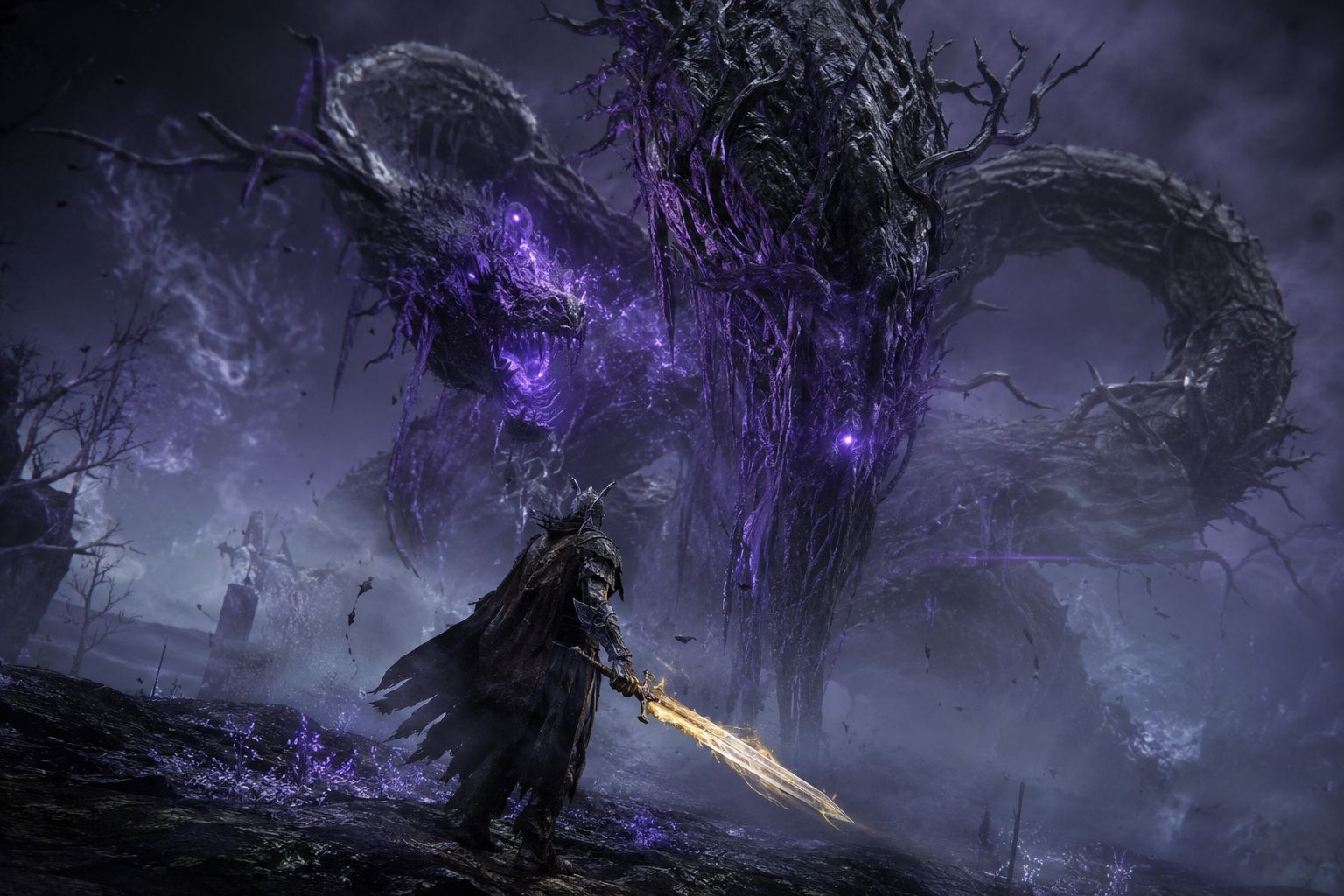
Nightreign is designed for three-player co-op, but you can play with one or two friends (or solo). The game scales enemy health and aggression proportionally. A three-player boss has about 2.4x the HP of a solo boss and about 1.8x the aggro frequency.
Here are the co-op mechanics that will save your expedition:
- Revives: Each player gets one automatic revive per day cycle. To revive a downed teammate, reach their ghost and hold interact for 3 seconds. You are vulnerable during the revive animation — have a teammate cover you.
- Shared Flask Charges: Flask of Crimson Tears charges are shared across the party in a common pool. Each charge heals 35% of max HP. If one player uses all six charges, nobody else can heal. Communicate your HP before chugging.
- Ping System: Use the ping (default: middle mouse button or up on the D-pad) to mark loot, threats, and paths. A pinged item is visible through walls for 10 seconds. This single mechanic doubled my teams looting speed.
- Aggro Management: Bosses in Nightreign switch targets every 4 to 6 seconds. Watch for the boss turning its head — that is the aggro swap visual cue. The player not being targeted should use charged heavy attacks or spells.
Solo Play Advantages
- Lower boss HP (only 1x scaling)
- More relic rewards per expedition clear
- No coordination needed
- Loot is all yours
Solo Play Disadvantages
- No revives except your one per cycle
- Boss aggro never leaves you
- No one to cover your flask chug
- More punishing mistake economy
My personal recommendation: run your first expedition with at least one friend. The difference between solo and duo is night and day because the aggro swapping alone reduces incoming damage by roughly 35% for each player. Trios are the easiest but finding two coordinated players on voice comms makes the Night Lord fight almost manageable.
Read the Boss Tells
Nightreign's bosses are faster than anything in the base game. Margit's delayed swings look slow-motion compared to the Night Lord's phase-two flurry. But the game is fair: every attack has a tell. When a boss's eye glows bright orange, it is about to charge — dodge sideways, not backward. A subtle screen shake with a low rumble means a ground AoE is coming — jump to avoid it. Some bosses pause mid-combo as if exhausted, but that is a trap; wait for the actual recovery animation before attacking. And when a boss kneels and raises one arm, you have 4 seconds to interrupt the summon with a charged heavy attack.
"I have 400 hours in Elden Ring. Nightreign's tutorial boss took me eight tries. It is a different game — the bosses input-read your heals, they punish panic rolling, and they know when you are out of stamina. Unlearn your base game habits or die trying."
Frequently Asked Questions
What is the best class for a first expedition?
The Wylder class is the best starting pick for newcomers. It offers the highest base HP (1,450), solid stagger resistance, and a balanced stat spread that works with most weapon types. Drixter is a strong second choice if you prefer ranged magic, but its low vigor (1,050 HP) makes it punishing for first-timers who are still learning boss patterns.
How long does a typical expedition take?
A full expedition — three day cycles plus the Night Lord — takes roughly 30 to 45 minutes. Each day cycle lasts about 15 minutes, meaning you have a tight window to loot, level, and explore before the night boss spawns. Plan your sessions accordingly because there is no pause or save mid-run.
Can I play Nightreign solo, or do I need a group?
You can queue solo, with one friend, or with two friends. The game scales enemy health and aggression based on party size. Solo runs are harder but reward more relics per expedition clear. Duo runs offer the best balance of challenge and reward for most players.
What happens when my whole party dies?
If all three players are defeated simultaneously, the expedition ends and you return to the Roundtable Hub. However, each player gets one automatic revive per day cycle, and you can revive downed teammates by reaching their ghost and holding the interact button for three seconds. Coordinate revives during lulls in the boss's attack patterns.
Which relics should I prioritize on my first run?
Prioritize Crimson Relics (flat HP +40 each), Viridian Relics (stamina regen), and Crumbling Moon Relics (elemental damage reduction). Avoid pure damage relics on your first expedition — you cannot deal damage if you are dead. Defense-first relic loadouts consistently lead to deeper expedition progress.
Build for the Night Lord
Everything you do in an expedition leads to one fight: the Night Lord. This boss has two phases, approximately 18,000 to 24,000 HP depending on your party size, and a moveset that draws from the entire Soulsborne catalog. Here is what you need:
- Weapon Level: +9 minimum. Going in at +7 or +8 means the fight drags into the 8-minute range, and by minute 6 you will likely be out of flask charges.
- Flask Charges: At least 6 in the shared pool. That means each player has two heals for the fight. Coordinate who heals when.
- Status Resistance: If the Night Lord is the Fire variant (randomly chosen), equip the Flame Drake Talisman or fire-resistant armor. If it is the Magic variant, use the Spelldrake Talisman equivalent. The wrong resistance means one-shot territory.
- Bolt of Gransax or Equivalent: A ranged weapon art is almost mandatory for phase two, where the Night Lord creates distance and spams AoE attacks. Being able to hit from range during that phase cuts the fight time by roughly 25%.
The Night Lord's phase two introduces a fog wall that shrinks the arena over 90 seconds. If you have not killed the boss by the time the fog reaches the center, it is a guaranteed wipe — the fog deals 50% max HP damage per tick. Burst damage is not optional in phase two.
Remember that relics carry over between expeditions. Even if you die to the Night Lord, the relics you earned from the two field bosses are yours to keep. You will come back stronger. The game is designed for incremental progress, and that first clear will feel incredible precisely because the game does not hand it to you.
For more on this topic, check out our guide on Elden Ring Nightreign Best Weapon for Each Class and our analysis of Elden Ring Nightreign Nightlord Boss Guide: Every Boss Weakness and Strategy.